
How Botox Treatment Can Help Reduce the Appearance of Fine Lines and Wrinkles
As people look for effective ways to maintain a youthful appearance without undergoing surgery, Botox treatment has become one of the most popular cosmetic procedures available. Known for its ability to soften facial lines and reduce the appearance of wrinkles, it offers a minimally invasive option that can produce noticeable results with little downtime. Whether someone is beginning to notice the first signs of ageing or wants to refresh their appearance, Botox has become a widely accepted solution that helps many people achieve a smoother, more relaxed look while maintaining natural facial expressions.
Fine lines and wrinkles develop for a variety of reasons. Ageing naturally causes the skin to lose collagen and elastin, two proteins responsible for keeping it firm and supple. As these supportive structures gradually decline, the skin becomes thinner and less resilient. At the same time, years of repeated facial movements such as smiling, frowning, squinting and raising the eyebrows leave their mark. Initially these expression lines are only visible during movement, but over time they can remain even when the face is at rest.
External factors also contribute to premature skin ageing. Prolonged exposure to ultraviolet light, smoking, pollution, stress and poor skincare habits can all accelerate the development of wrinkles. Genetics also play an important role, with some individuals naturally developing facial lines earlier than others.
Botox works by temporarily relaxing specific facial muscles responsible for creating dynamic wrinkles. Rather than filling the lines themselves, it reduces the muscle activity underneath the skin, allowing the overlying skin to smooth out. As the muscles relax, existing lines often become less noticeable, while the formation of deeper wrinkles may also be slowed with ongoing treatment.
One of the reasons Botox has become so widely used is that the procedure itself is relatively quick. In many cases, appointments can be completed within thirty minutes or less, depending on the number of treatment areas. Most people are able to return to work or continue with their normal daily activities shortly afterwards, making it a convenient option for those with busy lifestyles.
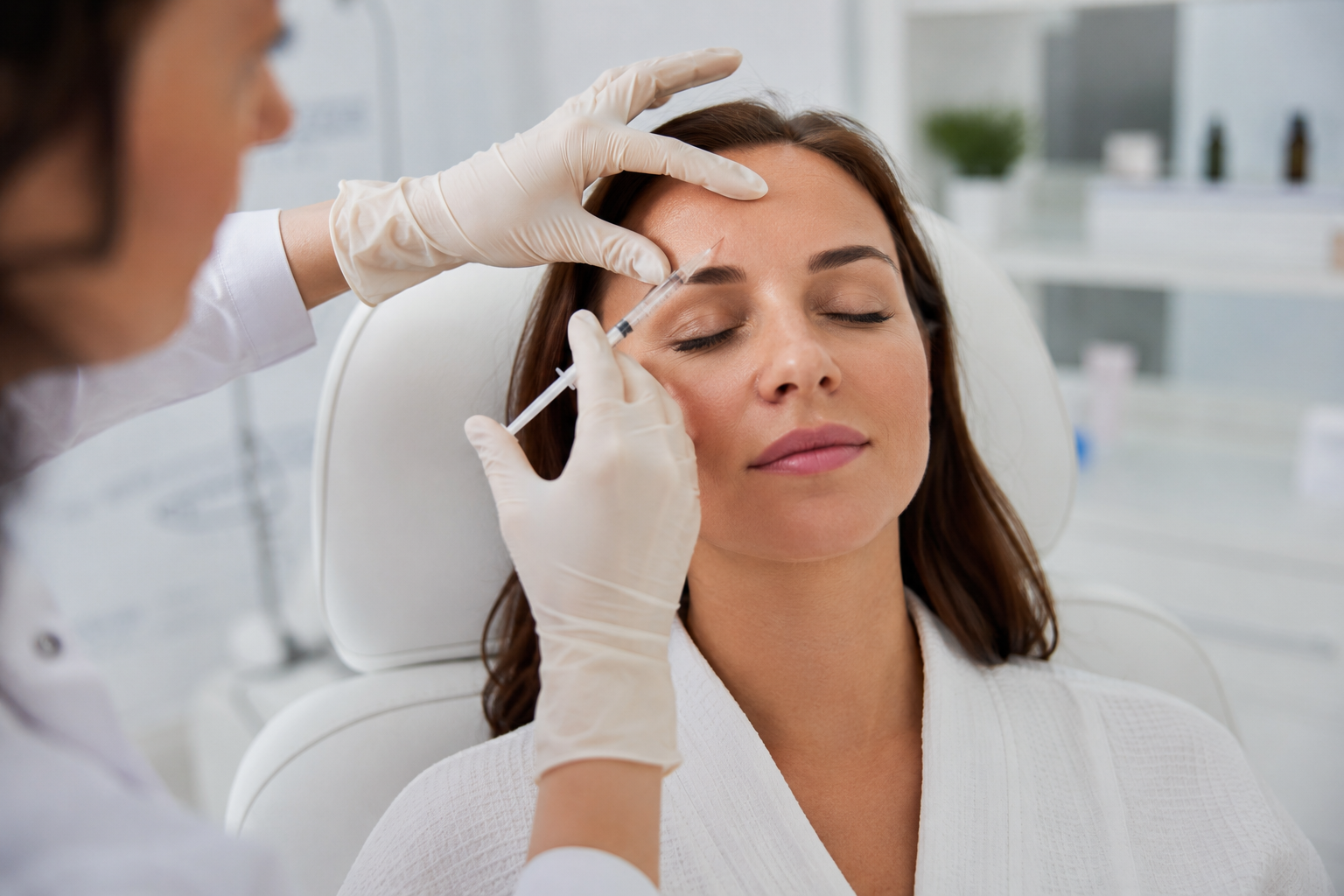
The areas most commonly treated include the forehead, the vertical frown lines between the eyebrows, and the crow’s feet around the outer corners of the eyes. These regions experience frequent muscle movement throughout everyday life, making them among the first places where expression lines become visible. Relaxing these muscles can produce a fresher, more rested appearance without dramatically altering someone’s overall look.
An important reason for Botox’s popularity is that subtle results are often possible. Modern cosmetic practice generally aims to preserve natural facial movement while reducing the appearance of unwanted wrinkles. Experienced practitioners carefully assess facial anatomy, muscle strength and each individual’s aesthetic goals before determining the appropriate treatment plan. Rather than creating a completely expressionless appearance, the objective is usually to soften lines while allowing the face to continue moving naturally.
Many people are surprised to learn that Botox is not only used once wrinkles have become well established. Increasingly, younger adults choose preventative treatments before deep lines develop. The theory behind this approach is that reducing repetitive muscle movement over time may delay the formation of permanent wrinkles. While ageing cannot be prevented entirely, early intervention may help maintain smoother skin for longer.
Results do not usually appear immediately following treatment. It generally takes several days for the medication to begin affecting the targeted muscles, with the full effect often becoming visible after one to two weeks. Most people enjoy smoother skin for around three to four months before muscle activity gradually returns and repeat treatment may be considered if they wish to maintain the results.
Although Botox is widely recognised for its cosmetic benefits, it has a long-established history in medicine. It is also used to treat several medical conditions, including chronic migraine, excessive sweating, muscle spasticity, eyelid spasms and certain bladder disorders. Its widespread medical use has contributed significantly to our understanding of its safety profile when administered appropriately by qualified healthcare professionals.
Safety should always be a priority when considering any cosmetic procedure. Botox should only be administered by appropriately trained and qualified practitioners who understand facial anatomy and can assess whether the treatment is suitable for each individual. A thorough consultation should include discussion of medical history, current medications, allergies and treatment expectations before any injections take place.
Not everyone is an appropriate candidate for treatment. Certain neurological conditions, pregnancy, breastfeeding and some medical circumstances may mean Botox is not recommended. An experienced practitioner will identify these situations during the consultation and discuss alternative options where appropriate.
Following treatment, patients are typically advised to follow a small number of aftercare recommendations. These may include avoiding strenuous exercise for a short period, remaining upright for several hours after the procedure and avoiding excessive rubbing of the treated areas. Following professional advice helps reduce the risk of unwanted movement of the product before it settles into the intended muscles.
One of the advantages of Botox is that it requires little recovery time compared with surgical procedures. Mild redness, slight swelling or small bruises at the injection sites may occasionally occur, but these effects usually settle quickly. Most people feel comfortable returning to normal social and professional activities on the same day.
Managing expectations is also important. Botox improves dynamic wrinkles caused by muscle movement, but it may be less effective for deep static lines that remain visible even when the face is completely relaxed. In some cases, practitioners may recommend combining Botox with other cosmetic treatments, such as dermal fillers or skin rejuvenation procedures, to achieve more comprehensive facial enhancement. A personalised treatment plan can help address multiple aspects of facial ageing while maintaining a balanced and natural appearance.
Choosing a reputable clinic can have a significant impact on both safety and results. Patients should look for qualified professionals with appropriate experience, transparent consultation processes and a willingness to discuss both the potential benefits and limitations of treatment. Clinics that focus on individual assessment rather than offering identical treatments to every patient are often better placed to deliver results that complement each person’s unique facial features.
As with any cosmetic procedure, the goal should not be to pursue perfection but to enhance natural appearance while preserving individuality. Many patients report that they simply look more refreshed or well-rested rather than obviously having undergone treatment. This subtle improvement is often one of the reasons Botox continues to appeal to people across a wide range of age groups.
Fine lines and wrinkles are a natural part of ageing, but advances in cosmetic medicine have made it possible to reduce their appearance without surgery or lengthy recovery periods. By temporarily relaxing the muscles responsible for expression lines, Botox can soften existing wrinkles and help prevent them from becoming more pronounced over time. When carried out by an appropriately qualified practitioner following a comprehensive consultation, it remains one of the most effective non-surgical options for those seeking a smoother, younger-looking appearance while maintaining natural facial expression and confidence.

